
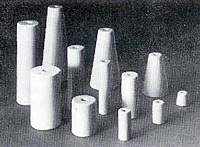
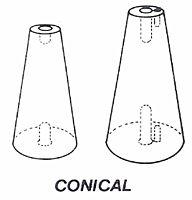
How Conical Standoff Geometry Supports Electrical and Mechanical Stability
The tapered shape of conical standoff insulators provides a stable interface for mounting electrical components, distributing mechanical load more evenly than straight-walled designs. This geometry helps maintain alignment in assemblies where vibration, torque, or thermal expansion could otherwise shift components out of position. The conical profile also improves dielectric spacing, supporting reliable insulation in moderate voltage environments.
Key Factors to Consider When Selecting a Conical Light Duty Standoff Insulator
Choosing the right standoff insulator depends on several technical requirements that influence performance and compatibility:
- Thread Size and Configuration — Ensures proper fit with mounting hardware and electrical terminals.
- Electrical Clearance — Determines the insulator’s suitability for moderate-voltage applications.
- Thermal Conditions — Helps match the material to environments with sustained or intermittent heat.
- Mechanical Load Requirements — Guides selection based on the weight or tension applied to supported components.
When Industry-Specific Requirements Influence Insulator Selection
Different industries rely on conical standoff insulators for distinct reasons. Electronics manufacturers value their compact size and dielectric strength for supporting circuit boards and wiring. Aerospace and defense applications depend on their vibration resistance and thermal stability. Telecommunications systems use them to maintain signal integrity in antennas and RF assemblies. Industrial machinery benefits from their durability in motors, generators, and automation equipment. These varied requirements highlight the importance of selecting the correct size, glaze, and thread configuration for each application.
FAQs
What Are Conical Standoff Insulators Used For?
They provide electrical insulation and mechanical support in assemblies such as circuit boards, antennas, control panels, and industrial equipment.
Why Choose a Conical Shape Over a Cylindrical One?
The tapered profile improves load distribution, enhances dielectric spacing, and offers better stability under vibration or thermal expansion.
Are Glazed Standoff Insulators Better for Electrical Applications?
Yes. Glazing improves moisture resistance, reduces surface contamination, and enhances long term insulation performance.
Does LSP Offer Custom Thread Sizes or Configurations?
Yes. LSP can produce custom thread sizes, mounting configurations, and geometries to meet specific application requirements.